Introduction
When people hear I studied medicine in China, their immediate reaction is question is usually filled with surprise and curiosity- Why China? Why not the UK, the US or even your home country?
And I get it. They wonder if the quality of education is good enough. The concern is quite valid
For me, choosing China wasn’t random, but a well-thought-out decision rooted in opportunity, affordability and my long-term career goals.
Here’s how I made that choice and how it’s shaped my life, my career, and growth as a budding doctor..
The Dream of Medicine
My passion for medicine began at a young age. I was fascinated with the human body.
Curious about how each part of the body works, where everything is located, how we think, what causes some parts to function as they do, what causes them to malfunction, and how to fix them.
These questions and immense desire naturally grew into a desire to study medicine.
This desire had always been there, tucked neatly into every decision I made. But the thought of pursuing medicine outside my home country? That felt like a leap of faith.
When I started exploring medical programs overseas, I realized how vast the options were — from Europe to the Caribbean. But something about China caught my attention. It wasn’t only about the affordability, but it was the great research base, modern technology, vibrant cities (a great plus for a city girl 😊), and China’s reputation as a global leader in healthcare and innovation.
China felt right, grounded and a great place for growth- a new environment that would challenge and shape me.
Why China Stood Out
As highlighted above, my decision wasn’t based solely on saying yes to a new country and adventure, but also on practical and tangible factors:
1. Affordable Tuition and Cost of Living
Let’s be honest; studying medicine is expensive almost anywhere in the world. But one of the biggest reasons I chose China was the affordability.
Compared to Western countries, China offered high quality education at the fraction of the cost. Tuition costs in China range from 35,000 to 50,000 CNY per annum and the cost of living was very reasonable.
That meant I could focus on my studies without constantly worrying about financial stress.
Rent, food, and transportation were surprisingly manageable, especially in student-friendly cities like Nanjing, Wuhan, and Changsha.
2. Scholarships for international students:
Many universities here also offer amazing incentives for international students, including partial and even full scholarships, stipends ranging from 700-3500 CNY per month for students, bursaries, tuition discounts, etc.
Some even offer cash prizes for high achievers during their studies. These opportunities made the decision even more practical.
3. Global Recognition and English-Taught Programs
Another major plus?
Though a non-English speaking country, many Chinese medical universities offer programs taught entirely in English and are recognized by the World Health Organization (WHO), World Directory Of Medical Schools and various Medical Councils worldwide.
That meant after graduation, I could return home or even apply for licensing exams abroad, and that flexibility gave me peace of mind.
4. World-class infrastructure
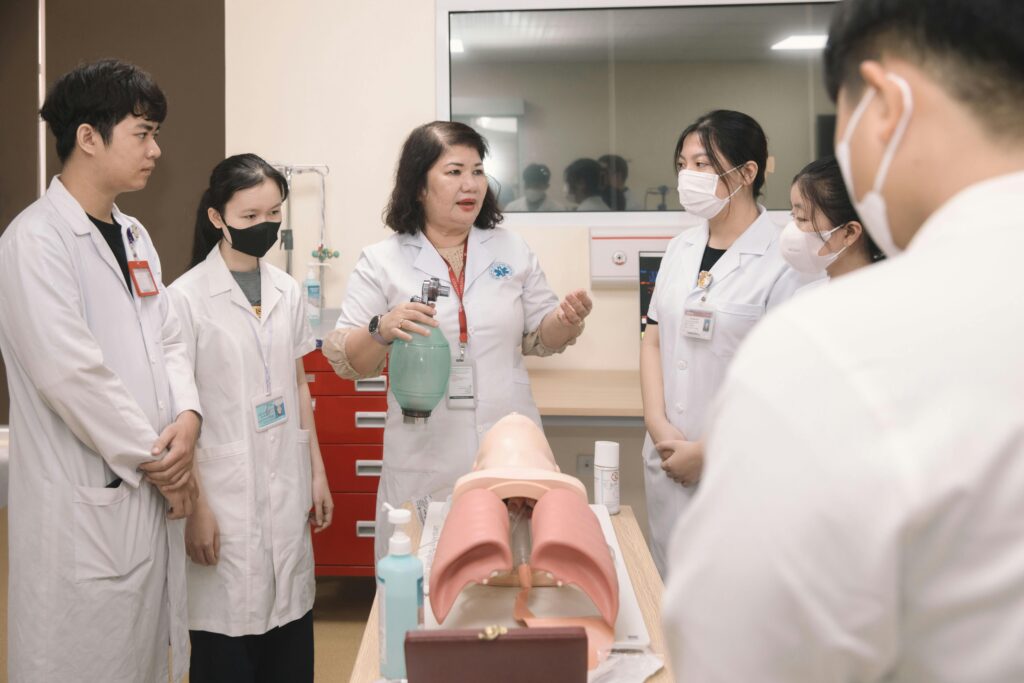
Chinese universities and their affiliated hospitals are well equipped with state-of-the-art facilities, exposing students to advanced medical technology and diverse clinical cases.
This is a strong foundation for any aspiring doctor.
Challenges I considered but accepted anyways
Choosing this path came with its own challenges and hurdles but I was ready to face them and was greatly supported.
1. Language barrier
This was a serious challenge and required one to be intentional about learning the language. This wasn’t easy, as Mandarin Chinese is one of the hardest languages to learn in the world.
My classes were taught in English, which greatly helped things; however, daily life, clinical classes, and internships are all in Chinese and required quick adaptation and improving one’s communication skills.
It was tough at first but incredibly rewarding😊.
2. Cultural differences
From classroom dynamics to patient communication, approaches to common issues, treatment and patient interaction sometimes differed from what one is used to, what one reads from international sources.
However, this encouraged me to be more open-minded, flexible and respectful of diverse perspectives.
3. Long distance from home
China is far from home and family, and the unfamiliar surroundings, huge time differences, tested my resilience but also fostered independence.
Having a strong community of friends also helped greatly, we supported one another through it all.
How this choice is paying off
Looking back now, I can confidently say the benefits and rewards have been even greater than the challenges.
1. Clinical knowledge
Having hands-on training with supportive tutors in a vast system that blends Western and traditional Chinese medicine has expanded my skills.
Laying a solid foundation for success in postgraduate licensing and residency pathways.
2. Cultural humility and Adaptability
Daily immersion in this new society has taught me the value of open mindedness, humility, and understanding.
The best part? Chinese people are incredibly kind and curious. Locals often went out of their way to help me navigate daily life, whether it was finding a bus stop or recommending the best sites to see.
I learned to also ask for help from professors, classmates, and even local mentors.
Universities in China are well-equipped with international student offices that genuinely care. They organise cultural exchange events, mental health workshops, and tutoring sessions that make adjustment smoother.
3. Confidence working internationally
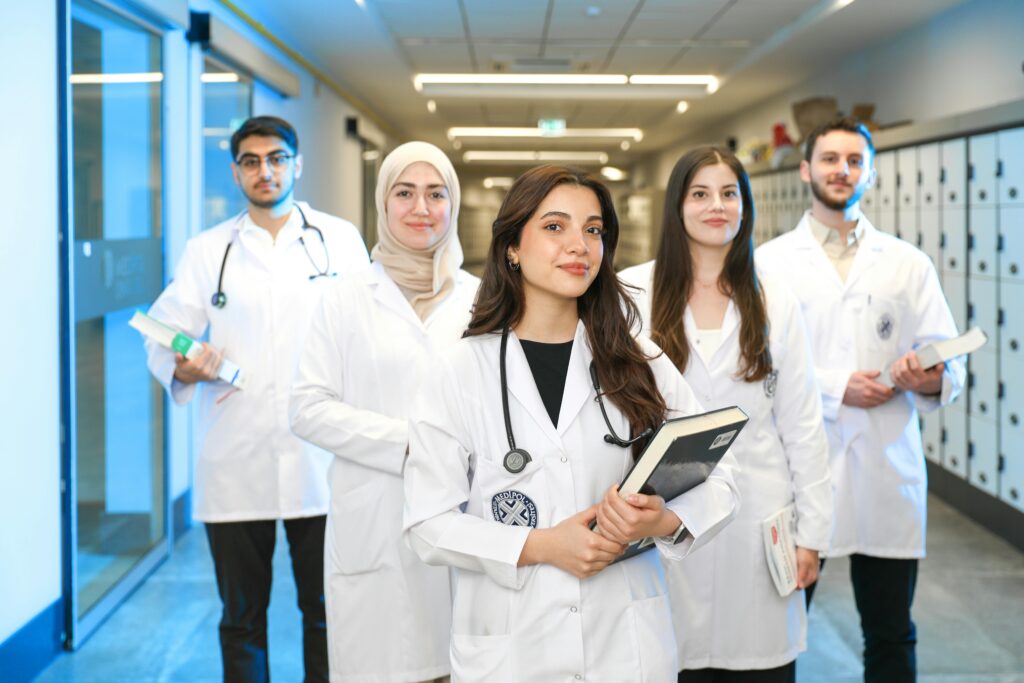
Studying alongside various students from different countries and calibres, I’ve learned to collaborate and communicate across cultures.
4. Networking with students all over the world
I found lifelong friends and mentors, both local and international, who became my support system.
We studied late into the night, celebrated festivals together, and shared our struggles. That sense of community kept me grounded through the tough times, a valuable friendship and professional relationship that would be beneficial to everyone involved.
Every difficulty I faced became a lesson in patience and perseverance.
Conclusion
As I look to the future, I am deeply grateful for the path I chose, even if it meant taking the path unbeaten. My unique journey has shaped me into who I am today: a globally minded, resilient doctor and ready for any future challenges.
Encouragement for people taking the unconventional routes:
To anyone considering an unconventional route in medicine: be bold. The world is bigger than you think, and your journey will be exactly what you make of it.